
How Do I Know If I'm Burned Out or Just Tired?
You're tired….. Like, really really really tired. But you've been tired before and bounced back…. So what the heck, is this just a hard season, or is something bigger going on?
It's a question a lot of professionals are asking themselves right now, and it's a good one to take seriously. Because the answer changes what you actually need to do about it.
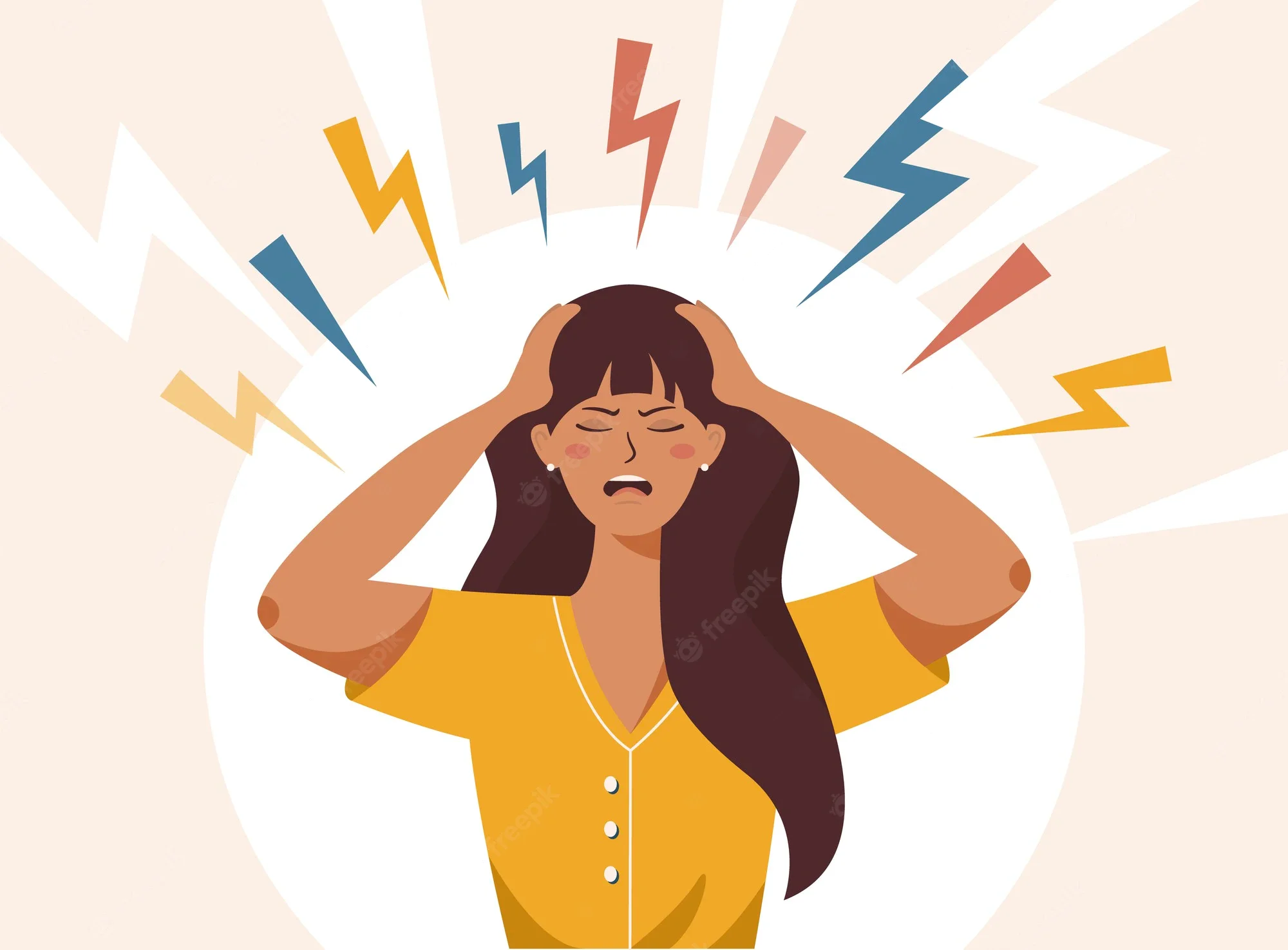
Tired Has a Bottom. Burnout Doesn't.
Regular tiredness is manageable. It is remedied by one good nights sleep, but burnout is chronic fatigue that compounds over time. You sleep, you rest, you take a weekend off here and there and try to unplug, but you never seem to feel noticeably better. That’s burnout.
Burnout is pretty deceptive too and most people don’t know it’s happening til someone else (like me in counseling) points it out. When you’re in burnout, you can sleep eight hours and still wake up depleted. You can take a vacation and spend the whole time dreading coming back because you know you won’t really be ready to get back to the grind. The grind has become life itself. Rest helps a little, but it doesn't fix it, because burnout isn't just about being physically worn out. It's about a deeper erosion of energy, and your capacity to handle stress reduces over time til every little bump in the road seems like disaster.
Signs You Might Be Looking at Burnout
You don't need to check every box….. but if several of these feel familiar, it's worth paying attention:
Your motivation has flatlined. Things that used to feel meaningful or at least manageable now feel pointless or impossible to start. This isn't laziness. It's depletion.
You're cynical in ways that aren't like you. You find yourself checked out, irritable, or quietly resentful toward people or responsibilities you used to care about.
Your body is keeping score. Headaches, tension, disrupted sleep, getting sick more than usual. Burnout is not just a mental state. It shows up physically.
You can't mentally leave work. Even when you're home, you're not really home. The mental load doesn't switch off.
You're running on obligation, not energy. You're still doing the things, but only because you have to and because you care too much what everyone thinks. You also have a bad habit of convincing yourself that everyone is focused on you which…. is obviously not the healthiest perspective. You’ve created a cycle of stress that’s just been going on too long.
Rest doesn't restore you. This is the clearest signal. If a good night's sleep or a long weekend doesn't touch it, you're not just tired.
What Burnout Is Not
Burnout is not a character flaw, a sign that you need to toughen up, or proof that you took on too much because something is wrong with you. It's just the logical outcome of what happens when capable, driven people operate in overdrive for too long without adequate support or recovery… when they focus on perfection instead of excellence, and when they build life around people-pleasing instead of healthy boundaries.
It's also not a diagnosis that requires a label, a prescription, or a clinical framework to understand. Most people experiencing burnout don't need more things added to their plate, including more pathologizing of what they're going through. They need someone to help them sort out what's happening and figure out a realistic path forward. That’s where weekly counseling can be super helpful.
So What Do You Do About It?
The first thing is to stop trying to white-knuckle through it! Pushing harder is what got you here. It's not going to get you out.
The second thing is to get honest about what's actually draining you, versus what you've just gotten used to tolerating. Burnout tends to build quietly over a long time before it becomes impossible to ignore and that’s usually when things go off the rails. Part of recovery is identifying the patterns that led to overwhelm, the attitudes you’ve maintained that are not healthy, the expectations you’ve set that are not sustainable… and counseling can help with that.
Talking to a burnout counselor in Boise can be a good place to start, not because you need to be a “fixed,” but because having someone genuinely on your side, who can help you think through what's going on without piling on more pressure or more diagnoses, makes a real difference.
That's exactly what burnout counseling with me looks like. No homework stacks, no unnecessary labels. Just a a warm conversation about where you are and what might actually help.
You Don't Have to Figure This Out Alone
If you're in the Boise area and you've been running on empty for longer than you'd like to admit, that's worth taking seriously. Burnout is real, it's common among high-functioning people, and it responds well to the right kind of support.
Learn more about burnout counseling in Boise at Jamison Counseling.